5 Essential Skills Every Family Caregiver Needs to Learn
If you're helping a parent or loved one at home (bathing, medications, doctor's appointments), developing specific caregiving skills can make a significant difference in both safety and quality of care.
Whether you're exploring compensation programs like Structured Family Caregiving (1) and PASSPORT (2), or simply want to provide better care, these five skills form the foundation of effective caregiving.
These competencies keep your loved one safer, protect you from injury, and ensure you're providing the level of care they need.
1. Basic infection control and hygiene protocols
Why this matters more than you think
When you're caring for a family member at home, you might think, "We live together. Why worry about germs?" But seniors, especially those with chronic conditions or weakened immune systems, are extraordinarily vulnerable to infections that would barely slow down a healthy adult.
A cold you picked up at the grocery store can turn into pneumonia for an 80-year-old with COPD. A urinary tract infection can cause sudden confusion or falls. It is not enough to just keep things "clean enough." We must actively break the chain of infection transmission.
Moving beyond "clean enough"
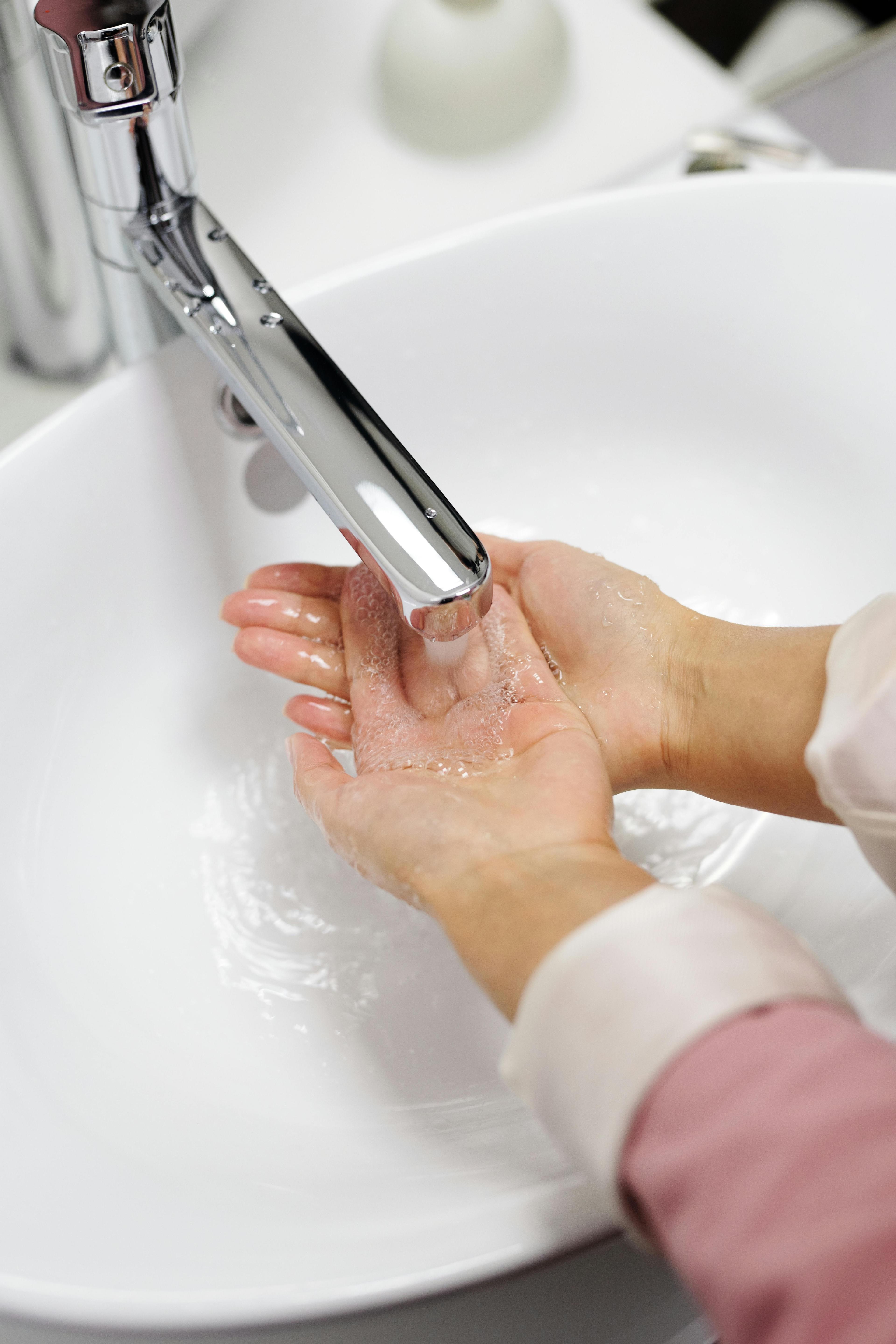
The clinical standard for hand hygiene requires 20 seconds of scrubbing with soap and friction, washing between fingers, under nails, and up to the wrists. This matters most before preparing meals, after assisting with bathroom needs, and before handling medications. It is important to understand that hands are often the primary vehicle for transmitting pathogens to vulnerable people and how to prevent it.
Professional caregivers also understand when to use personal protective equipment. For example, gloves are essential anytime you're assisting with toileting, wound care, or handling soiled linens. Another thing to keep in mind is that gloves and masks can become contaminated on the outside, which means improper removal can transfer pathogens right back to your hands or face.
Beyond personal hygiene, environmental sanitization becomes part of the daily routine. High-touch surfaces like doorknobs, light switches, toilet handles, and walker grips should be disinfected daily. This isn't just "tidying up." This is an evidence-based practice that reduces disease transmission in home care settings.
Want to learn the official state standards? Our PCA Training Course (3) covers infection control protocols in depth, with real-world scenarios and certification in line with Ohio Medicaid guidelines.
2. Mobility assistance and safe transfers
The career-ending risk nobody talks about
Back injuries are the leading cause of disability among caregivers. It's not dramatic accidents. It's the cumulative stress of lifting, bending, and transferring someone day after day without proper body mechanics.
According to the National Center for Biotechnology Information (4), musculoskeletal disorders, particularly back injuries, represent the most common occupational hazard for individuals in nursing and caregiving professions. Research indicates that the physical demands of manual patient handling are a significant factor contributing to professionals exiting the healthcare field.
Here's the reality: you cannot care for your loved one if you injure yourself. And if you're planning to make caregiving a long-term income source, protecting your body isn't optional. It's essential.
The Golden Rule
Professional caregivers live by one fundamental principle: never lift with your back. Instead, you keep your center of gravity low, your base of support wide, and let your legs do the heavy lifting (5). This isn't just about technique. It's about sustainability. Studies emphasize that utilizing assistive devices and proper body mechanics is the demonstrated method for mitigating the risk of chronic pain and long-term disability (4).
A simple gait belt (an inexpensive canvas strap that goes around your loved one's waist) can dramatically reduce your risk of back strain by giving you a secure handhold during transfers. But proper transfers are only part of the equation. Professional caregivers also develop a keen eye for preventing falls before they happen.
That means checking walkers before every use to ensure rubber tips aren't worn down and legs are stable. It means testing wheelchair brakes and inspecting shower chair surfaces. It means removing loose rugs, ensuring adequate lighting in hallways and bathrooms, and keeping walkways clear of clutter, cords, and pets. You're not just reacting to falls. You're actively preventing them.
3. Therapeutic communication: compassion meets professionalism
When family dynamics meet professional boundaries
You've been talking to your mom or dad your whole life. You know their quirks, their humor, their moods. So why does communication suddenly become a "skill" when you're a paid caregiver?
Because the dynamics fundamentally change when caregiving becomes a job. The frustration you feel when dad refuses to take his medication isn't just a family squabble anymore. It's a professional challenge that affects his health outcomes and your legal responsibilities.
The shift to therapeutic communication
Therapeutic communication is a deliberate, compassionate approach that focuses on listening to understand the feeling behind the words, not just waiting for your turn to respond (6). It means validating emotions without necessarily agreeing with the behavior, redirecting gently when confusion or agitation arises, and maintaining dignity even during intimate care tasks.
Here's what this looks like in practice. Let's say your mom says, "I don't need help showering. I'm fine!" A family member might instinctively respond: "Mom, you almost fell last week. You do need help." But a professional caregiver might say: "It sounds like it's frustrating to need help with something you've always done yourself. That makes sense. How about we make sure you're safe, and I'll only step in if you need me?"
The difference is subtle but makes a huge difference. The professional approach acknowledges her feelings (frustration, loss of independence) rather than just arguing about the facts. That single shift in communication style can transform a confrontation into cooperation.
For more on understanding how seniors' needs evolve and how to adapt your approach, this guide covers when different types of care become necessary: Care Options for Senior Citizens
4. Recognizing when to call for help and reporting
Reporting responsibility of family caregiving
An important aspect of paid family caregiving is serving as a reporter. This means if you observe signs of abuse, neglect, or a significant change in your loved one's condition, it is important to report it to the appropriate authorities or care team. A clear, timely report can make the difference to catch a serious condition early and a prevent hospitalization.
According to Ohio Administrative Code 5160-46-04 (7), paid family caregivers working under Medicaid waiver programs report incidents, including falls, medication errors, and suspected abuse or neglect. This communication is part of the responsibilities of paid family caregiving and helps ensure your loved one receives the right level of care at the right time.
Knowing your physical limits could save both of you
Many caregivers hesitate to call 911 because they think, "It's not that serious." Calling for help isn't just about the severity of the emergency. It's about recognizing your limits and getting your loved ones the help they need (8).
If your loved one has fallen and you cannot safely lift them, attempting to do so anyway can cause further injury to them and a career-ending back injury to you. If they're showing signs of stroke (facial drooping, slurred speech, arm weakness), every minute counts. If they're unresponsive or having difficulty breathing, professional help isn't optional.
Knowing when to call for backup is a core professional skill. Recognizing your limits and getting help when needed protects both you and your loved one.
5. Stress management and self-care
The enemy of quality care
You cannot pour from an empty cup. Caregiving is physically demanding, emotionally draining, and often isolating. When you add the pressure of it being your job, the risk of burnout skyrockets.
And here's the thing: burnout doesn't just hurt you. It compromises the quality of care you provide. When you're exhausted, irritable, and running on fumes, you're more likely to make mistakes, lose patience, and miss important changes in your loved one's condition.
Creating sustainable boundaries
Just because you're caring for a family member doesn't mean you're "on call" 24/7. As a professional, you need to define clear work hours, even if you live together. You need to take scheduled breaks and days off. You need to communicate those boundaries to other family members who might otherwise assume you're always available.
Recognizing compassion fatigue is equally critical. This is a type of burnout unique to caregivers, and the signs include feeling emotionally numb or detached, experiencing irritability or resentment toward the person you're caring for, physical exhaustion even after rest, and neglecting your own health. If you're experiencing these symptoms, it's not a sign of weakness. It's a sign that you need support.
Need help explaining your workload to other family members or asking for backup? This guide walks through practical ways to get support: How to Support a Family Caregiver
Resources for Family Caregivers in Ohio
These five skills (infection control, safe transfers, therapeutic communication, knowing when to call for help, and self-care) are foundational to quality caregiving. They keep your loved one safer, protect you from injury and burnout.
If you're providing this level of care, Ohio offers several programs designed to support family caregivers. The most helpful next step is matching the right program to your situation:
- Seniors who want to remain at home: PASSPORT Waiver guide
- Live-in family caregiving arrangements: Structured Family Caregiving guide
- A practical step-by-step application guide: How to Apply for Caregiving Benefits in Ohio
For help understanding which program fits your situation and what the application process involves, contact CareOasis to discuss next steps.
References
(1) Structured Family Caregiving in Ohio
(4) NCBI: Patient Handling and Movement Assessments
(5) Learntastic: Safe Transfers & Body Mechanics
(6) AmeriCare Plus: Communication Techniques for Caregivers
Get support for your caregiving journey today
We help you get certified as a caregiver and enroll in federal programs to receive compensation for family caregiving. Start your CareOasis journey now.